
Ultimate Pool Demolition Equipment for Heavy-Duty Removal Tasks
Find high-performance tools built to handle tough demolition jobs with precision, helping you complete projects efficiently and safely.
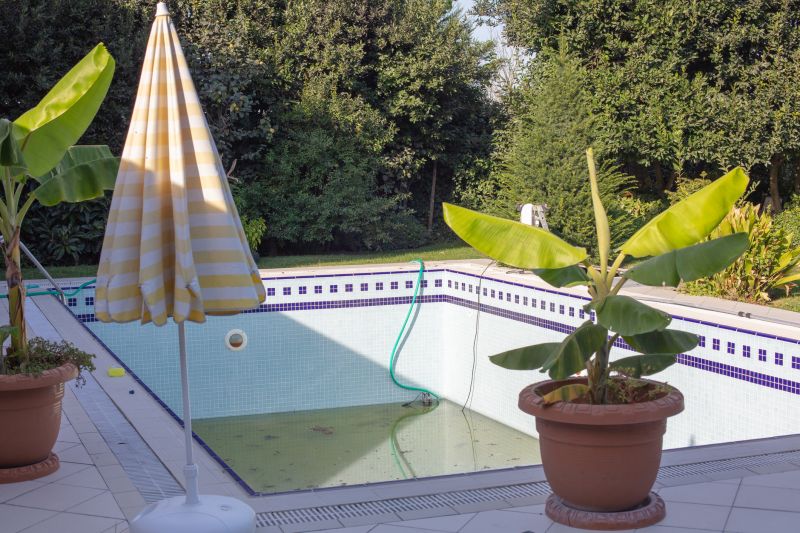 Removing an old or damaged swimming pool can be a complex project that requires careful planning and the right tools. The process often involves breaking up concrete or vinyl liners, excavating debris, and ensuring the site is properly prepared for future use or construction. Selecting appropriate products for pool demolition is essential to ensure safety, efficiency, and a clean finish. Depending on the size and type of the pool, different tools and equipment may be necessary to accomplish the task effectively.
Top Overall Option
Heavy-Duty Hydraulic Breaker
A versatile hydraulic breaker is a powerful attachment compatible with excavators, enabling efficient breaking of concrete and other hard materials. Its robust design allows for controlled demolition, reducing manual effort and increasing safety during pool removal projects.
Types of Products For Pool Demolitions
Hydraulic Breakers
Heavy-duty attachments that connect to excavators for breaking concrete and tough materials.
Jackhammers
Portable pneumatic or electric tools used for breaking smaller sections of concrete or liner material.
Concrete Saws
Power saws equipped with diamond blades for cutting through concrete or rebar with precision.
Liner Removal Tools
Specialized tools designed to peel away vinyl liners and other flexible pool materials efficiently.
Skid Steer Loaders
Compact excavators ideal for debris removal and site preparation during demolition.
Mini Excavators
Smaller excavators suitable for tight spaces and detailed demolition work.
Sledgehammers
Manual tools useful for breaking smaller pieces or for detailed work around the pool area.
Debris Containers
Heavy-duty dumpsters or debris bins for collecting and transporting demolition waste.
Chemical Dissolvers
Products designed to soften or break down certain materials, facilitating removal.
Protective Gear
Safety equipment including gloves, goggles, and ear protection essential for safe demolition.
Water Removal Pumps
Tools for extracting residual water from the pool before demolition begins.
Power Drills with Chisels
Electric drills equipped with chisel attachments for detailed breaking tasks.
Vibration Plate Compactors
Machinery used to prepare the site after demolition for new construction or landscaping.
Handheld Cutters
Portable cutting tools for trimming or sectioning pool materials.
Portable Generators
Power sources for operating electric tools in remote or outdoor locations.
Water Blasters
High-pressure water tools used for cleaning debris or stripping surfaces.
Popular Choices
Widely used for breaking concrete and liner materials, offering portability and ease of use.
Versatile tools for precise cuts in pool liner and surrounding materials.
Commonly paired with excavators for efficient heavy-duty demolition tasks.
Popular for debris removal and site clearing due to their maneuverability.
Favored for their cutting precision and ability to handle tough concrete structures.
Essential for managing large volumes of demolition waste efficiently.
Important for removing residual water before starting demolition.
Always in demand for ensuring safety during demolition projects.
Useful for cleaning and surface preparation post-demolition.
Reliable tools for detailed or smaller-scale breaking tasks.
Products that can help soften certain materials for easier removal.
Handheld tools for detailed demolition work around the pool area.
Popular for detailed, controlled demolition tasks.
Commonly used after demolition to prepare the site for new construction.
Favored for providing power in outdoor or remote demolition sites.
Frequently used to clear residual water from pools prior to demolition.
For concrete pools, heavy-duty demolition tools such as jackhammers and hydraulic breakers are commonly used to break apart the structure. Vinyl liner pools might require less intensive equipment, focusing instead on cutting tools and suction devices to remove liner material. Excavation equipment, including mini excavators or skid steers, can assist in removing debris and preparing the site for new construction or landscaping. Safety gear, like protective eyewear, gloves, and ear protection, is crucial during the demolition process to prevent injuries.
Planning the demolition process involves assessing the pool’s materials, size, and surrounding environment. Proper disposal methods for debris should be considered, as concrete chunks, metal fittings, and liner remnants need to be managed responsibly. In some cases, specialized demolition products can help expedite the process or make it safer, such as chemical dissolvers for certain materials or portable power tools designed for heavy-duty tasks. Having the right selection of products ensures a smoother, more manageable demolition experience while maintaining safety standards.
Key Buying Considerations
- Type of pool material (concrete, vinyl, fiberglass) to determine appropriate tools.
- Size and depth of the pool for selecting suitable demolition equipment.
- Accessibility of the site and space constraints for maneuvering machinery.
- Safety features and protective gear requirements for workers.
- Power source availability (electric, gas, hydraulic) for tools and equipment.
- Disposal options for debris, including local regulations and recycling possibilities.
- Compatibility of demolition tools with existing machinery or attachments.
- Ease of use and ergonomic design for manual tools and power equipment.
- Durability and build quality to withstand heavy-duty tasks.
- Budget constraints and cost-effectiveness of selected products.
- Noise levels of equipment, especially in residential areas.
- Availability of replacement parts and maintenance support.
- Environmental considerations, such as dust and debris control measures.
- Time efficiency and productivity features of the equipment.
- Training or experience needed to operate specialized tools safely.